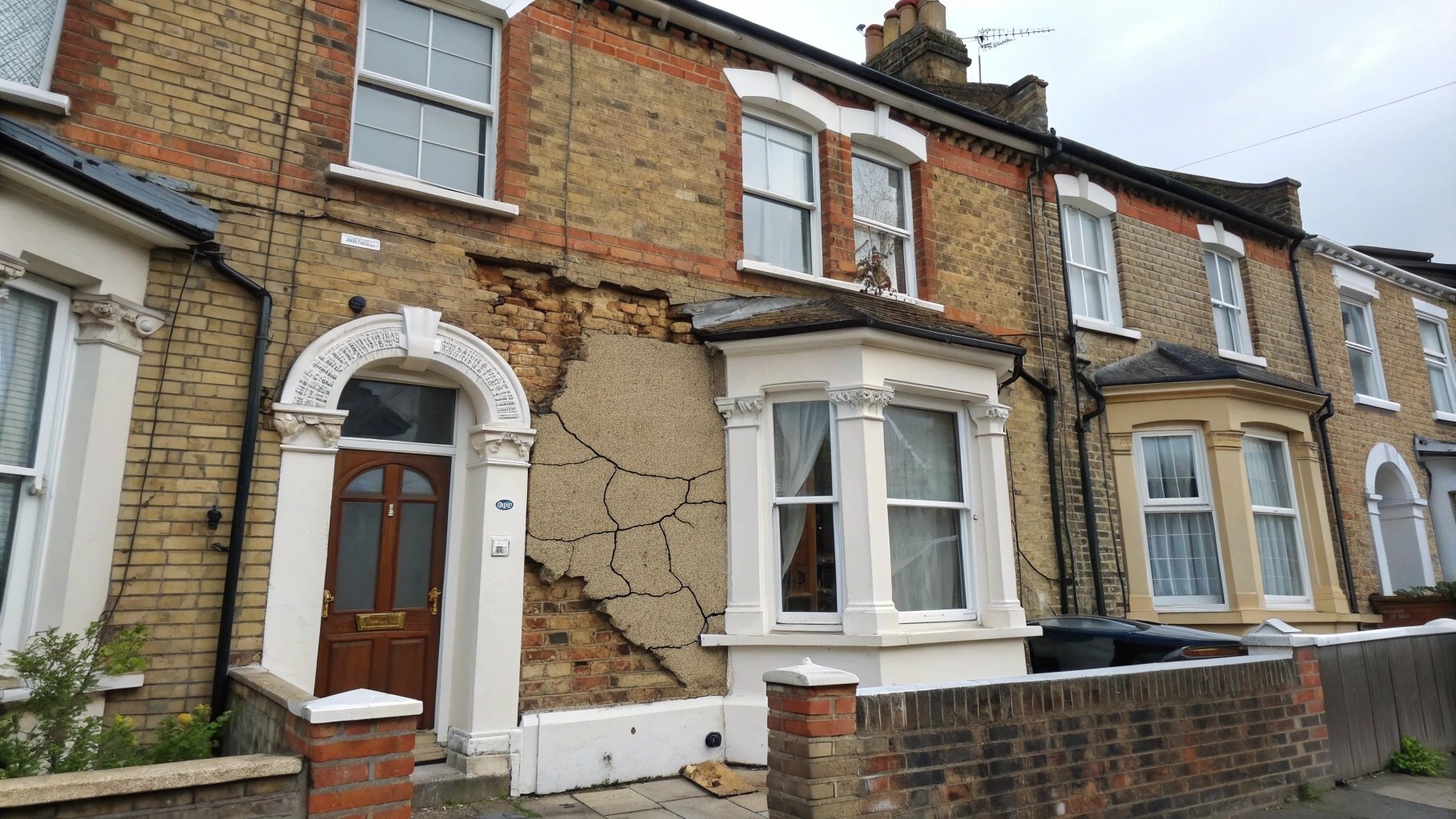
As experienced residential surveyors conducting RICS home surveys across England and Wales, we inspect hundreds of properties every year. While every property is unique, certain issues and defects appear repeatedly during property surveys. Understanding these common problems helps homebuyers know what to expect and how seriously to take various findings in their detailed report.
In this comprehensive guide, our qualified surveyors share the ten most common property defects we identify during Level 2 and Level 3 home surveys, explaining what causes them, how serious they are, and what you should do if they're found in your property survey.
1. Damp and Moisture Problems
Dampness is, without doubt, the most common issue our chartered surveyors identify during residential property inspections. In fact, we find some form of damp in approximately 60% of properties we survey, though severity varies enormously.
Types of Damp Found in UK Properties:
Rising Damp: This occurs when moisture from the ground rises up through walls due to failed or absent damp-proof courses (DPC). Rising damp typically affects the lower sections of walls up to about 1 meter high and is most common in older properties built before modern damp-proofing standards.
Penetrating Damp: Water penetrating from outside through defects in the building fabric – damaged roofs, cracked render, failed pointing, or leaking gutters. Unlike rising damp, penetrating damp can appear anywhere on walls, often in patches that worsen during wet weather.
Condensation: The most common form of dampness in modern properties, caused by moisture in the air condensing on cold surfaces. While often less serious than other damp types, chronic condensation can lead to mould growth and health issues, particularly affecting respiratory conditions.
Warning Signs Our Residential Surveyors Look For:
- Tide marks on walls showing historic or current water levels
- Peeling wallpaper or flaking paint and plaster
- Musty odours in rooms or cupboards
- Black mould growth, especially in corners or behind furniture
- Rotting skirting boards or soft plaster at wall bases
- Salt deposits (efflorescence) on brick or plaster surfaces
- High moisture meter readings during property inspection
What You Should Do:
Minor condensation can often be resolved through improved ventilation and heating. However, rising or penetrating damp requires professional treatment. Costs vary from £500-£3,000+ depending on extent and cause. Our detailed report will recommend whether specialist damp surveys are needed and provide guidance on remedial work.
2. Roof Problems and Defects
Roof issues appear in roughly 40% of property surveys our qualified surveyors conduct. As roofs face constant exposure to weather, defects are inevitable over time, but identifying them before purchase helps you budget for repairs.
Common Roof Defects Identified:
Slipped or Missing Tiles/Slates: Individual roof coverings can slip out of position or break due to nail failure, wind damage, or general wear. While one or two missing tiles aren't catastrophic, they allow water penetration that can damage roof structure and internal ceilings.
Worn Valley Gutters and Flashings: The joins between roof slopes (valleys) and around chimneys or dormers have flashings – usually lead or zinc – that prevent water ingress. These wear over time, leading to leaks that are expensive to trace and repair.
Roof Structure Issues: Where accessible, our residential surveyor examines roof timbers for signs of rot, woodworm, or inadequate support. Sagging ridge lines visible from ground level often indicate structural problems requiring significant work.
Flat Roof Deterioration: Flat roofs (often on extensions) typically last 10-20 years depending on material. Felt roofs particularly show age through cracking, blistering, and ponding water – all signs that replacement is needed soon.
Cost Implications:
- Minor repairs (few slipped tiles): £200-£500
- Re-pointing ridge tiles: £500-£1,500
- Re-flashing chimneys: £400-£1,200
- Flat roof replacement: £1,500-£5,000+
- Complete re-roof: £5,000-£15,000+ for average houses
Our RICS home survey will indicate urgency – some roof repairs can wait years, while others need immediate attention to prevent water damage to the property's interior.
3. Subsidence and Structural Movement
While relatively rare (appearing in perhaps 5% of surveys), subsidence and structural movement cause the most anxiety among homebuyers. Not all movement is serious, but proper assessment by qualified surveyors is essential.
Understanding Different Types of Movement:
Subsidence: Downward movement of foundations, usually caused by soil shrinkage (particularly clay soils during dry periods), tree root action drawing moisture from soil, or inadequate foundations. Subsidence typically shows as diagonal cracks wider at the top than bottom.
Heave: The opposite of subsidence – upward movement when soil expands, often after removing large trees that previously extracted moisture. Heave causes cracks wider at the bottom.
Settlement: Normal slight sinking of new buildings as they bed into the ground. Settlement usually stabilises quickly and isn't generally concerning unless excessive.
Thermal Movement: Cracking from expansion and contraction due to temperature changes. Common in properties with large south-facing walls, thermal movement typically shows as fine cracks that open and close seasonally.
What Our Chartered Surveyors Assess:
- Crack patterns, widths, and locations
- Whether movement is historic and stabilised or ongoing
- Proximity to trees (especially on clay soils)
- Foundation adequacy for property age and location
- Evidence of previous underpinning or repairs
Action Required:
Minor historic cracking is normal in older properties and rarely concerning. However, cracks over 5mm wide, or any crack showing recent movement, should be investigated by structural engineers before completing your property purchase. Underpinning costs £1,000-£3,000 per meter of wall treated.
4. Electrical Installation Issues
Outdated or unsafe electrical installations appear in approximately 30% of older properties we survey. While our residential surveyor conducts visual assessment only (not specialist electrical testing), we can identify concerning indicators.
Common Electrical Defects:
Old Consumer Units (Fuse Boxes): Properties still using rewireable fuses or lacking RCD (residual current device) protection don't meet modern safety standards. Consumer units should be replaced every 25-30 years as regulations update.
Outdated Wiring: Properties wired over 30 years ago often have rubber or fabric-insulated cables that deteriorate over time, becoming brittle and dangerous. Visual clues include round pin sockets, surface-mounted wiring, or bakelite switches.
Inadequate Provision: Older properties often lack sufficient sockets for modern living, leading to dangerous overuse of extension leads and adaptors. Modern standards require significantly more socket outlets than properties wired in the 1970s-80s.
Why This Matters:
Unsafe electrics pose fire and electric shock risks. Additionally, many insurance companies won't cover properties with electrical installations over 30 years old without testing certification, and mortgage lenders may require electrical surveys before lending.
Resolution:
Complete rewiring typically costs £3,000-£8,000 depending on property size. Consumer unit replacement alone costs £400-£800. Our detailed report will recommend professional electrical inspection (EICR - Electrical Installation Condition Report) when concerns are identified.
5. Defective Gutters and Drainage
Rainwater goods (gutters, downpipes, and drainage) problems appear in roughly 35% of properties during surveys. While seeming minor, defective drainage can cause significant damage if water isn't properly channelled away from the property.
Issues Our Qualified Surveyors Identify:
Blocked or Overflowing Gutters: Leaves, moss, and debris accumulate in gutters, preventing water flow and causing overflow that saturates walls. Chronic overflow leads to penetrating damp, rot in fascias and soffits, and potential foundation problems from water pooling at the property base.
Failed Joints and Leaks: Gutter joints fail over time, particularly with older cast iron or asbestos cement systems. Plastic gutters become brittle with age and crack. Leaks deposit water directly onto walls rather than into drainage systems.
Inadequate Drainage Away from Property: Even functioning gutters are useless if downpipes discharge too close to foundations. Water should be channelled at least 5 meters from the property into proper drains or soakaways.
Damaged or Deteriorating Underground Drains: While not fully inspectable during standard RICS home surveys, our residential surveyor notes concerns about drainage systems – cracked inspection chambers, rodding points without covers, or signs suggesting drainage problems requiring specialist investigation.
Cost to Remedy:
- Gutter cleaning: £80-£200
- Gutter repairs/joint replacement: £150-£400
- Complete gutter replacement: £800-£2,500
- Downpipe extensions: £100-£300
- CCTV drain survey: £200-£500
- Drain repairs (if problems found): £500-£5,000+
6. Window and Door Defects
Problems with windows and doors feature in about 45% of property surveys, particularly in older properties or those with original single-glazed units.
Common Issues Identified:
Rotten Window Sills and Frames: Timber windows require regular maintenance (painting every 3-5 years). Neglected windows develop rot, particularly in sills where water sits. Advanced rot can affect structural opening support and require complete window replacement.
Failed Double Glazing Seals: Double-glazed units typically last 15-25 years before seals fail, causing condensation between panes (misting). While not dangerous, failed units reduce insulation and look unsightly, eventually requiring replacement.
Poor Security and Weatherproofing: Original windows and doors in older properties often lack adequate locks for insurance requirements. Gaps around frames allow drafts, reducing energy efficiency and affecting EPC ratings.
Sash Window Issues: Period properties with original sash windows frequently show problems – broken cords, gaps allowing drafts, single glazing, and general wear requiring specialist repair or replacement.
What This Means for Energy Efficiency:
Single-glazed windows and poorly sealed units significantly impact heating costs and EPC ratings. Properties still with single glazing struggle to achieve even 'E' EPC ratings without other substantial energy efficiency improvements. Our detailed report notes where window improvements would enhance energy performance.
Replacement Costs:
- UPVC double-glazed window: £300-£600 per window
- Timber sash window repairs: £300-£800 per window
- Replacement sash windows: £800-£1,500 per window
- External door replacement: £500-£1,500
- Full house re-glazing (3-bed house): £5,000-£12,000+
7. Boiler and Heating System Problems
Central heating issues appear in approximately 25% of surveys our chartered surveyors conduct. With boilers typically lasting 10-15 years, many properties have systems approaching or exceeding expected lifespan.
Heating System Concerns:
Boiler Age and Efficiency: Boilers over 10 years old are less efficient than modern condensing boilers, increasing energy costs and reducing EPC ratings. Boilers over 15 years face increasing risk of expensive breakdowns with parts becoming scarce.
Lack of Service History: Boilers require annual servicing for safety and to maintain manufacturer warranties. Properties without service records may have inadequately maintained systems with potential safety issues, particularly concerning for gas boilers.
Outdated Heating Controls: Many older properties have basic heating controls that don't meet current building regulations or allow efficient use. Modern requirements include programmer, room thermostat, and thermostatic radiator valves (TRVs).
Radiator and Pipework Issues: Corroded radiators, leaking joints, or inadequate pipework insulation indicate systems requiring maintenance or upgrading. Cold spots in radiators suggest sludge buildup requiring power flushing.
Implications:
While we don't service-test heating systems during residential surveying services (specialist heating engineers do this), our visual assessment identifies concerns requiring further investigation. Budget for boiler replacement when buying properties with systems over 12 years old, even if currently functioning.
Costs to Consider:
- Boiler service: £80-£150
- System power flush: £300-£600
- New combi boiler installed: £2,000-£3,500
- System/regular boiler replacement: £2,500-£4,500
- Full central heating installation: £4,000-£8,000+
8. Roof Space Issues - Insulation and Ventilation
Where accessible, our qualified surveyors inspect roof spaces, finding issues in over 50% of older properties – primarily inadequate insulation significantly affecting energy efficiency and running costs.
Common Roof Space Defects:
Insufficient Insulation: Current building regulations require 270mm of loft insulation. Many older properties have 50-100mm or less, dramatically increasing heating costs. The difference between adequate and inadequate insulation can cost hundreds of pounds annually in heating.
Poor Ventilation: Roof spaces need proper ventilation to prevent condensation that can cause timber rot and reduce insulation effectiveness. Inadequate ventilation is common in older properties or where insulation has been added without maintaining airflow.
Water Tank and Pipework Issues: Properties with stored water systems (tanks in lofts) need properly insulated tanks and pipework to prevent freezing. Our residential surveyor checks tanks are secure, not leaking, and adequately protected.
Roof Timber Defects: Inspecting accessible roof structures, we look for woodworm, rot, or structural issues. While minor woodworm is common in older timbers and often inactive, active infestation or significant rot requires treatment.
Energy Efficiency and EPC Impact:
Improving loft insulation is one of the most cost-effective energy efficiency improvements. Properties with minimal insulation score poorly on EPC ratings, affecting saleability and potentially triggering minimum energy efficiency requirements for lettings.
Resolution Costs:
- Additional loft insulation (DIY materials): £200-£400
- Professional loft insulation: £300-£600
- Improved ventilation: £200-£800
- Tank and pipe insulation: £100-£300
- Timber treatment (if needed): £500-£2,000+
9. Poor External Maintenance and Decoration
General external maintenance issues appear in about 40% of residential properties during surveys. While often not immediately serious, deferred maintenance accelerates deterioration and leads to expensive repairs if neglected.
External Maintenance Defects:
Failed External Decoration: Timber elements (fascias, soffits, barge boards, window frames, doors) require repainting every 4-6 years. Failed paint allows moisture penetration leading to rot. Catching deterioration early keeps repair costs manageable.
Defective Pointing: Mortar between bricks erodes over time, requiring repointing to maintain weather protection. While some pointing deterioration is normal in older properties, extensive failed pointing allows water penetration and frost damage to brickwork.
Cracked or Damaged Render: Rendered walls need maintenance to prevent cracks that allow water behind the render, leading to dampness and render failure. Extensive render repairs or complete re-rendering is expensive.
Deteriorated Boundary Walls and Fences: While not affecting the main property structure, failed boundaries impact security and privacy, plus may be your legal responsibility to maintain based on deeds.
Prevention vs. Repair:
Our detailed report highlights areas needing maintenance before minor issues become major problems. Regular maintenance prevents costly repairs – repainting timber costs hundreds, while replacing rotten boards costs thousands.
Budget Guide:
- External repainting (3-bed house): £1,500-£4,000
- Repointing (per m²): £30-£60
- Render repairs: £500-£2,000+
- Full re-render: £5,000-£15,000+
- Fascia/soffit replacement: £1,500-£4,000
10. Bathroom and Kitchen Issues
Defects in bathrooms and kitchens appear in roughly 30% of property surveys, ranging from purely cosmetic concerns to significant problems affecting property condition.
Common Issues Identified:
Poor Ventilation: Bathrooms and kitchens generate moisture that must be properly extracted. Properties lacking adequate ventilation (extractor fans or openable windows) suffer from condensation, mould growth, and potential timber rot in surrounding areas.
Leaking Plumbing: Visible leaks under sinks, around baths, or from shower trays indicate plumbing problems. While often simple to fix, chronic leaks can rot floors and cause ceiling damage in rooms below.
Defective Sealing: Failed silicone seals around baths, showers, and sinks allow water penetration into walls and floors. Simple to remedy but important to prevent water damage.
Old or Inadequate Installations: While purely old-fashioned kitchens and bathrooms don't affect structural condition, our residential surveyor notes obvious wear or poor installation quality. Budget for replacement based on age and condition – kitchens and bathrooms typically last 15-20 years before requiring updating.
Safety Concerns:
Our qualified surveyors particularly note electrical safety in bathrooms – regulations require special measures for electrical installations in wet areas. DIY electrical work in bathrooms often fails to meet requirements.
Costs to Consider:
- Extractor fan installation: £150-£400
- Re-sealing bath/shower: £50-£150
- Basic bathroom renovation: £3,000-£6,000
- Full bathroom refurbishment: £5,000-£10,000+
- Kitchen renovation: £5,000-£15,000+
How Serious Are These Property Defects?
Finding defects in your RICS home survey report can be concerning, but perspective is important. Our experience as chartered surveyors shows that:
- Almost every property has some issues - Finding a completely defect-free property is extremely rare, even in new builds
- Many defects are minor - The majority of issues we identify are maintenance matters rather than serious structural problems
- Age is a factor - Older properties naturally have more maintenance issues, but this doesn't mean they're bad purchases
- Context matters - A £200,000 property with £5,000 of repairs needed may still be excellent value compared to alternatives
Understanding Survey Report Ratings:
In Level 2 home surveys, defects are rated using a traffic light system:
🟢 Condition 1 (Green): No repair currently needed, normal maintenance only
🟠 Condition 2 (Amber): Repairs or replacement needed but not urgent
🔴 Condition 3 (Red): Urgent repairs needed - serious issues affecting condition of the property
Level 3 building surveys provide detailed prose descriptions but similarly indicate urgency. Focus on red-rated items first when assessing survey findings and negotiating on property purchase.
What To Do When Defects Are Found
Your RICS regulated surveyor has identified issues – now what? Here's how to respond to common property defects in your detailed report:
1. Don't Panic
Finding defects is normal. The survey protects you by revealing problems before purchase, allowing informed decisions. Nearly every property buyer receives survey reports noting some issues – you're not alone.
2. Prioritise Issues
Separate urgent defects from future maintenance:
- Immediate concerns: Safety issues, major structural problems, active leaks
- Short-term (1-2 years): Issues that will worsen without attention
- Medium-term (3-5 years): Maintenance approaching end of life
- Long-term planning: Future capital expenditure
3. Get Costs Verified
For significant issues, obtain quotes from builders or specialists. While our detailed report includes approximate cost guidance, actual quotes provide more precise budgeting information for negotiation.
4. Use Findings for Negotiation
Present survey findings to sellers through estate agents or solicitors. Options include:
- Request price reduction to cover repair costs
- Ask sellers to complete urgent repairs before completion
- Negotiate a contribution toward works
- Adjust completion timescales to allow repairs
Be realistic – sellers won't reduce prices by the full cost of all repairs, but significant defects warrant meaningful adjustments.
5. Commission Specialist Surveys if Recommended
When our qualified surveyors recommend further investigation (structural engineer, electrical survey, drainage inspection), commission these reports. The cost (typically £200-£800 per specialist survey) is minor compared to risks of proceeding without full information.
6. Consider the Overall Picture
Assess whether the property remains good value considering repair costs. Sometimes defects mean the property isn't right for you – better to withdraw than proceed with unsuitable purchase. Other times, repairs are manageable within your budget, and the property remains attractive.
Preventing Future Defects
Once you complete your property purchase, use survey findings to plan proactive maintenance:
- Address urgent issues immediately - Don't delay repairs flagged as urgent
- Budget for future works - Set aside funds for repairs identified as needed in coming years
- Maintain regularly - Regular maintenance prevents minor issues becoming major works
- Keep records - Document repairs and maintenance for future sales
- Schedule inspections - Annual checks of roof, gutters, and vulnerable areas catch problems early
Why Professional Property Surveys Matter
This list of common defects demonstrates why relying on basic mortgage valuation isn't sufficient when buying a property. Mortgage valuations are conducted for the benefit of the lender only – they confirm lending security but provide virtually no information about property condition to you as buyer.
Professional RICS home surveys from qualified surveyors identify these issues before you commit to purchase, providing:
- Complete understanding of condition of the property
- Evidence for price negotiation
- Realistic budgeting for future repairs
- Confidence in your property purchase decision
- Protection against expensive surprises after completion
The relatively small cost of residential surveying services (typically £400-£1,500 depending on survey type and property) protects against problems costing tens of thousands to remedy.
Conclusion
As chartered surveyors conducting hundreds of inspections annually across residential properties in England and Wales, we see these ten defects repeatedly. While finding issues in your survey report can be disappointing, remember that knowledge is power. Understanding property condition before purchase allows informed decisions, appropriate negotiations, and realistic maintenance planning.
Most defects are fixable, and many properties with issues still represent good value when priced appropriately. The survey simply ensures you're paying the right price for the property in its actual condition rather than assumed perfect condition.
Whether you need a Level 2 home survey for a modern property in reasonable condition, or a comprehensive Level 3 building survey for an older or more complex property, our team of qualified surveyors at Residential Surveyor provides detailed reports helping you make confident property purchase decisions.
Get Your Property Survey
Don't risk buying a property without understanding its true condition. Our experienced RICS regulated surveyors provide comprehensive home surveys identifying issues and defects before you commit to purchase.
Get Your Survey Quote