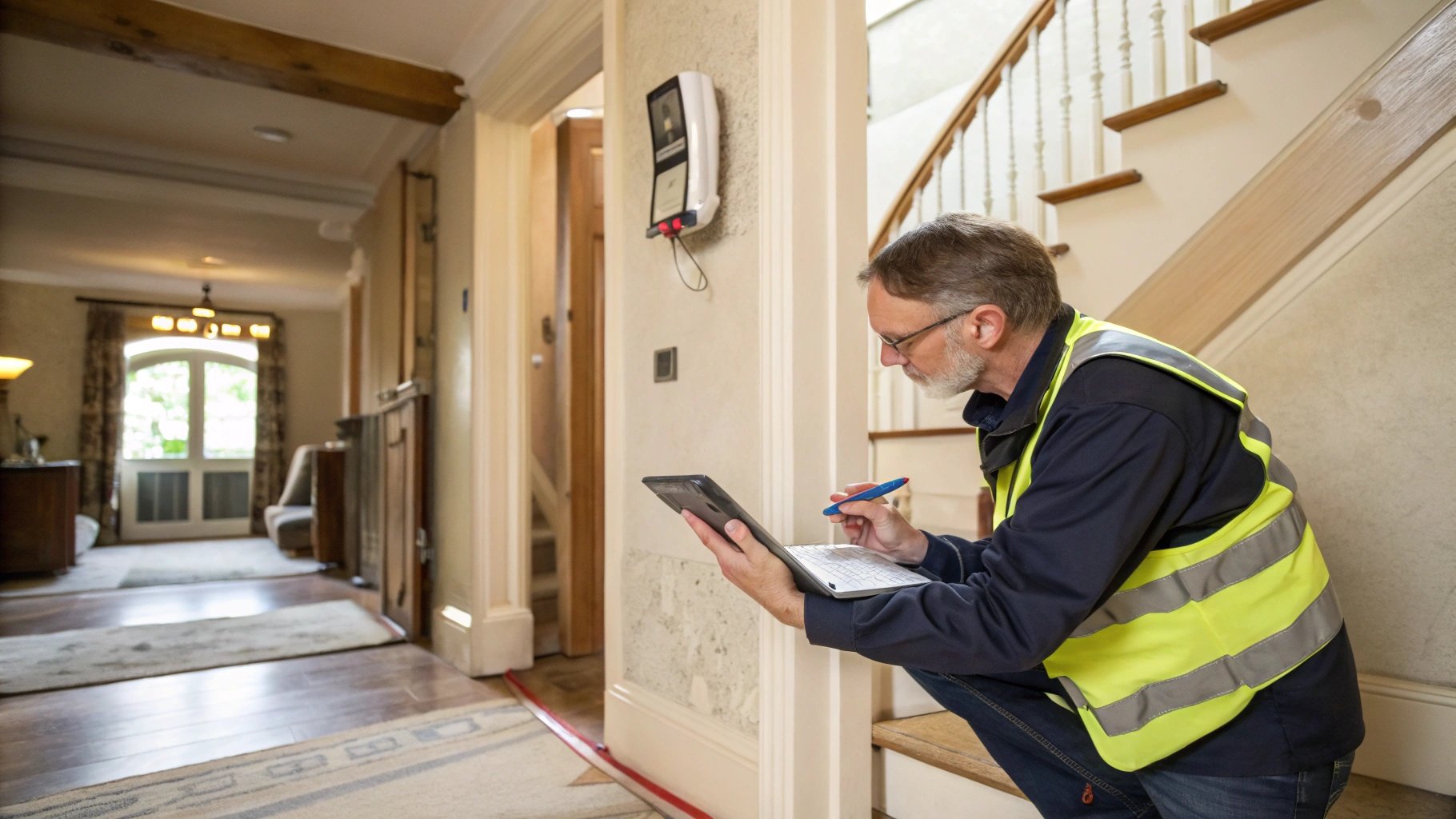
When buying a property in England or Wales, choosing the right type of survey is crucial. While a Level 2 home survey suits most modern residential properties in reasonable condition, there are situations where only a comprehensive RICS Level 3 building survey will do. In this detailed guide, our qualified surveyors explain exactly when you need this most thorough inspection offered by residential surveying services.
What is a RICS Level 3 Building Survey?
A RICS Level 3 building survey, formerly known as a full structural survey, is the most comprehensive property inspection available from chartered surveyors. Unlike the more basic Level 2 home survey, a Level 3 survey provides in-depth analysis of every accessible aspect of the property's construction, condition, and defects.
This detailed report is conducted by experienced RICS members who specialise in residential properties and have the expertise to identify complex issues and defects that might be missed in less thorough inspections. The surveyor job involves spending significantly more time examining the property, often 4-6 hours or more depending on size and complexity.
What Makes Level 3 Different from Level 2?
While both are RICS home survey types, the key differences are substantial:
- Depth of Inspection: Level 3 surveyors examine areas in much greater detail, looking behind and beneath surfaces where safely possible
- Report Detail: Level 3 reports typically run 40-80+ pages compared to 20-30 pages for Level 2
- Defect Analysis: More comprehensive identification and explanation of issues and defects with detailed repair advice
- Construction Assessment: Detailed analysis of how the property is built, including unusual construction methods
- Future Planning: Extensive advice on major works, alterations, and long-term maintenance
- Cost Estimates: More detailed estimates for repairs and future works
When You MUST Choose a Level 3 Building Survey
Our residential surveyors recommend Level 3 surveys in these essential situations:
1. Properties Built Before 1900
Older properties require the comprehensive assessment that only a Level 3 survey provides. Period homes, whether Victorian terraces, Georgian townhouses, or earlier constructions, have unique characteristics and common issues that demand specialist advice from qualified surveyors.
Why older properties need Level 3:
- Traditional construction methods differ significantly from modern standards
- Age-related defects are more likely and can be hidden
- Materials deteriorate over time requiring expert assessment
- Alterations over the years may have compromised structure
- Understanding the condition of the property is more complex
- Original features may need conservation advice
For example, a Victorian property might have solid walls (no cavity), lime mortar instead of cement, and timber structures that have been in place for over a century. Our chartered surveyors understand these traditional building methods and can identify issues specific to period properties.
2. Properties Requiring Major Works or Showing Serious Defects
If you're buying a property that clearly needs significant work, or if you've noticed concerning issues during viewings, a Level 3 survey is essential. The detailed report will help you understand exactly what's required and estimate costs for future repairs.
Signs you need Level 3:
- Visible cracks in walls or ceilings
- Evidence of dampness or water damage
- Sagging or uneven floors
- Roof problems apparent from ground level
- Signs of structural movement or subsidence
- Property has been empty for extended periods
- Evidence of poor maintenance or neglect
The comprehensive nature of Level 3 surveys means our residential surveyor will thoroughly investigate these concerns, provide specialist advice on remedies, and help you make informed decisions about whether to proceed with the property purchase.
3. Unusual Construction Methods
Properties built with non-standard construction require the expertise that comes with a Level 3 building survey. Standard Level 2 surveys assume conventional brick, block, or stone construction. If your property differs, you need the detailed analysis of qualified surveyors experienced with unusual construction.
Non-standard construction types requiring Level 3:
- Timber Frame: Whether traditional or modern, timber frame construction needs specialist inspection for structural integrity and maintenance requirements
- Steel Frame: Properties with steel frames require assessment of the frame condition and any corrosion issues
- Concrete Construction: Including PRC (Precast Reinforced Concrete) houses which have specific defect risks
- Thatched Roofs: Require specialist knowledge of thatching materials, maintenance, and fire safety
- Cob or Earth Construction: Traditional earth buildings need surveyors who understand their unique characteristics
- Stone Construction: Particularly random rubble or dry stone, which behaves differently from modern masonry
Mortgage lenders often require Level 3 surveys for unusual construction, and insurance can be more difficult to arrange without a comprehensive assessment from RICS regulated surveyors.
4. Properties You're Planning to Alter or Extend
If you're buying a property with renovation or extension plans, a Level 3 survey is invaluable. The detailed report will include advice on the feasibility of your proposed alterations, potential structural issues to consider, and areas requiring attention before major works begin.
What Level 3 surveys reveal for renovation projects:
- Structural capacity for extensions or loft conversions
- Condition of foundations relevant to planned works
- Hidden defects that could complicate renovations
- Building regulation considerations for alterations
- Energy efficiency improvements opportunities
- Cost implications of working with existing structure
Our chartered surveyors can provide specialist advice on how your plans might be affected by the property's condition, helping you budget accurately for your renovation project.
5. Listed Buildings and Conservation Area Properties
Properties with listed building status or located in conservation areas require the detailed understanding that Level 3 surveys provide. These properties have additional legal restrictions on alterations and may need sympathetic repairs using traditional materials and methods.
A Level 3 survey from qualified surveyors will:
- Identify period features requiring preservation
- Advise on appropriate repair methods for historic fabric
- Flag alterations that may need listed building consent
- Assess condition while respecting heritage value
- Provide guidance on working with conservation officers
6. Large or Complex Properties
Very large houses, properties with multiple outbuildings, or architecturally complex buildings benefit from the comprehensive approach of Level 3 surveys. The detailed report ensures nothing is overlooked in properties that are too substantial for a basic Level 2 assessment.
Examples include:
- Detached properties over 2,500 square feet
- Properties with extensive grounds or outbuildings
- Multi-level properties (4+ floors)
- Properties with complex roof structures
- Houses with multiple extensions from different eras
7. Properties in High-Risk Locations
Certain locations present additional risks requiring the thorough assessment of a Level 3 survey:
- Flood Risk Areas: Detailed inspection of flood defenses, damp-proofing, and previous flood damage
- Coastal Properties: Assessment of exposure to salt, wind, and coastal erosion risks
- Mining Areas: Evaluation of ground stability and mining-related risks
- Clay Soil Areas: Detailed subsidence risk assessment, especially near trees
- Steep Sites: Analysis of retaining walls, drainage, and ground movement risks
What's Included in a Level 3 Building Survey?
When you commission a Level 3 survey from Residential Surveyor, our RICS member will conduct a comprehensive inspection covering:
External Elements - Detailed Assessment:
- Roof Structure and Coverings: Detailed inspection of all accessible roof spaces, structural timbers, coverings, flashings, and weatherproofing
- Chimneys and Roof Features: Assessment of stacks, pots, flashings, valleys, skylights, and dormers
- Rainwater Goods: Gutters, downpipes, hoppers, and drainage systems
- External Walls: Construction method, condition of masonry/cladding, pointing, render, damp-proofing
- Windows and Doors: Frames, glazing, operation, weatherproofing, condition of surrounds
- External Joinery: Barge boards, fascias, soffits, decorative features
- Boundary Walls and Fences: Condition and maintenance requirements
- Outbuildings: Garages, sheds, conservatories with full condition reports
Internal Elements - Comprehensive Inspection:
- Roof Spaces: Access to all loft areas, inspection of structure, insulation, ventilation, stored water tanks
- Ceilings: Construction, condition, signs of movement or water damage
- Internal Walls: Load-bearing vs. partition walls, structural adequacy, signs of movement
- Floors: Construction, level, structural condition, floor coverings where visible
- Dampness: Extensive damp testing throughout, identification of sources and remedies
- Internal Joinery: Doors, staircases, built-in cupboards, skirtings, architraves
- Fireplaces and Flues: Condition, safety, ventilation
- Bathroom and Kitchen: Condition of fittings, plumbing, ventilation, signs of leaks
Services - Visual Assessment:
While not specialist services inspections, the Level 3 survey includes visual assessment of:
- Heating System: Type, age, condition, operation, energy efficiency and EPC implications
- Plumbing: Visible pipework, water pressure, drainage, waste systems
- Electrical Installation: Age of consumer unit, visible wiring, adequacy for modern use
- Drainage: Inspection of visible drains, gullies, manholes, soakaways
- Gas Supply: Visible pipework and meter location
Grounds and Site:
- Site access and parking
- Gardens and landscaping
- Retaining walls and boundaries
- Surface water drainage
- Trees near property (subsidence risk)
- Paths, driveways, hardstanding
The Level 3 Survey Report - What to Expect
Your detailed report from our residential surveyor will be comprehensive and technical, typically including:
1. Executive Summary
A clear overview of the property's condition, highlighting the most significant findings and urgent issues requiring immediate attention. This section allows you to quickly understand whether major problems exist before reading the full detailed report.
2. Detailed Element-by-Element Analysis
Unlike the traffic light system used in Level 2 surveys, Level 3 reports provide prose descriptions of each element's condition. Our qualified surveyors explain findings in technical detail, including:
- Precise description of defects and their likely causes
- Assessment of severity and urgency
- Explanation of implications for the property
- Detailed recommendations for remedial work
- Cost estimates for repairs and major works
- Advice on maintenance and monitoring
3. Photographs and Diagrams
Extensive photographic evidence of issues and defects, often 50+ images showing:
- Overall property context
- Specific defects in detail
- Areas of concern requiring attention
- Comparative shots showing extent of problems
4. Technical Information
- Construction methods and materials identified
- Age and condition assessment
- Unusual construction details
- Previous alterations identified
- Building regulation compliance concerns
5. Recommendations for Further Investigation
Where appropriate, our chartered surveyors will recommend specialist surveys such as:
- Structural engineer inspection for significant movement
- Timber and damp specialist reports
- Electrical condition report
- Drainage survey (CCTV inspection)
- Asbestos survey for pre-2000 properties
- Energy efficiency assessment and EPC improvements
6. Advice on Future Repairs and Major Works
Detailed guidance on work required over different timescales:
- Immediate (0-6 months): Urgent repairs affecting safety or causing rapid deterioration
- Short-term (1-2 years): Important repairs to prevent future problems
- Medium-term (3-5 years): Maintenance and replacements approaching end of life
- Long-term (5+ years): Future capital expenditure to plan for
How Much Does a Level 3 Building Survey Cost?
Level 3 surveys are more expensive than Level 2 due to the comprehensive nature of the inspection and detailed report. However, for properties requiring this level of assessment, it's an essential investment in understanding the condition of the property.
Typical Level 3 Survey Costs:
- Properties up to £300,000: £600-£900
- Properties £300,000-£500,000: £800-£1,200
- Properties £500,000-£1,000,000: £1,000-£1,800
- Properties over £1,000,000: £1,500-£3,000+
Factors affecting Level 3 survey costs:
- Property size and complexity
- Age and construction type
- Number of outbuildings
- Accessibility challenges
- Location and travel requirements
- Urgency of inspection required
Level 3 vs Level 2: Making the Right Choice
Still unsure whether you need Level 3 or if Level 2 is sufficient? Use this decision guide:
Choose Level 2 Home Survey If:
- ✅ Property built after 1900
- ✅ Standard construction (brick/block)
- ✅ Appears in reasonable condition
- ✅ No obvious major defects
- ✅ You're not planning major alterations
- ✅ Budget is limited
Choose Level 3 Building Survey If:
- ✅ Property built before 1900
- ✅ Unusual construction methods
- ✅ Visible defects or concerns
- ✅ Property needs or will need major works
- ✅ Listed building or conservation area
- ✅ Large or complex property
- ✅ Planning significant alterations
- ✅ Want maximum detail and peace of mind
Real-World Example: When Level 3 Saved a Purchase
Michael and Lisa were buying a beautiful 1880s Victorian semi-detached house in Oxford for £485,000. The property looked well-maintained, but being sensible buyers, they commissioned our Level 3 building survey.
Our chartered surveyor spent 5 hours conducting the comprehensive inspection and identified several significant issues:
- Structural Movement: Cracking indicating historic movement, likely stabilised but requiring monitoring (estimated £500 for monitoring cracks)
- Roof Structure: Original roof timbers showing minor woodworm damage, requiring treatment and some repairs (£2,500)
- Dampness: Rising damp in one bay window area requiring damp-proof course injection and replastering (£1,800)
- Electrical System: Original 1970s wiring requiring complete rewiring for safety and insurance purposes (£8,000)
- Original Windows: Period sash windows in poor condition, many sills rotten. Repair/replacement needed (£12,000)
- Drainage: Victorian clay drains likely deteriorating, drainage survey recommended
- Energy Efficiency: Poor insulation, single glazing, inefficient heating affecting EPC rating
Total identified costs: approximately £24,800 of essential work, plus recommendations for energy efficiency improvements costing another £15,000+.
Armed with this detailed report, Michael and Lisa were able to:
- Renegotiate the purchase price down by £20,000
- Obtain accurate quotes for essential repairs before completion
- Plan their renovation budget realistically
- Arrange appropriate building insurance knowing the property's condition
- Prioritise works: immediate electrical rewiring, then windows and damp
The £1,100 Level 3 survey cost saved them £20,000 in price negotiations and prevented them from facing unexpected repair costs that could have caused financial difficulty. More importantly, they completed the purchase with confidence, knowing exactly what they were buying.
What Happens After Your Level 3 Survey?
Once you receive your comprehensive detailed report from our residential surveyor, you have several options:
1. Proceed with Full Understanding
If the survey reveals only minor or expected issues for a property of its age and type, proceed with confidence. Use the survey findings to plan maintenance budgets for future repairs over the coming years.
2. Renegotiate the Purchase Price
When significant issues and defects are identified, use the detailed report and cost estimates to negotiate. Estate agents and sellers often agree to price reductions when faced with comprehensive evidence from RICS regulated surveyors.
Negotiation strategies:
- Focus on urgent and essential repairs
- Provide actual quotes from contractors where possible
- Be realistic - don't expect full cost recovery on everything
- Consider a compromise figure
- Remain professional and evidence-based
3. Commission Specialist Surveys
If the Level 3 survey recommends further investigation, obtain specialist reports:
- Structural Engineer: For significant structural concerns (£400-£800)
- Damp and Timber Specialist: Detailed damp investigation (£200-£400)
- Electrical Inspection: Full EICR report (£150-£300)
- Drainage Survey: CCTV inspection of drains (£200-£500)
- Asbestos Survey: If property built before 2000 (£250-£500)
4. Reconsider the Purchase
If the Level 3 survey reveals problems so severe that costs would be unmanageable, or structural issues making the property unsuitable, you may decide to withdraw. While disappointing, it's far better to lose survey costs than proceed with a problematic property purchase.
Frequently Asked Questions About Level 3 Surveys
Can I get a Level 3 survey on a flat or apartment?
Yes, though the scope is necessarily limited to your unit and accessible common areas. For flats in older buildings or with concerns about the overall building condition, a Level 3 survey provides valuable information about your specific apartment plus observations on the building generally.
Will the surveyor move furniture or lift carpets?
No. Even Level 3 surveys are non-intrusive. Surveyors assess visible and accessible areas but don't move furniture, lift fitted carpets, or access areas requiring specialist equipment. However, they will inspect more thoroughly than Level 2 surveys and may lift loose floor coverings or access panels if safely possible.
How long does a Level 3 survey take?
Typically 4-6 hours for average properties, but can extend to a full day or more for large, complex properties. The comprehensive nature means our residential surveyor takes time to thoroughly assess every accessible element.
When will I receive my report?
Most surveying services, including Residential Surveyor, deliver Level 3 reports within 5-10 working days. The detailed report takes longer to prepare than Level 2 due to the comprehensive analysis and technical content.
Can I attend the survey inspection?
Yes, and many buyers find this valuable for Level 3 surveys. Our chartered surveyors can explain findings as they inspect and answer your questions about the property. However, you'll still receive the full written detailed report afterward.
What if I disagree with the survey findings?
If you have concerns about the survey report, contact your surveyor immediately. Good surveying firms welcome questions and will clarify findings. If significant disputes arise, you can request a second opinion from another RICS member, though this requires paying for an additional survey.
Choosing the Right Surveyor for Your Level 3 Survey
The quality of your Level 3 survey depends heavily on your surveyor's experience and expertise. When selecting residential surveying services:
Essential Qualifications:
- RICS Member (MRICS or FRICS): Only commission RICS regulated surveyors who have completed rigorous training including assessment of professional competence (APC)
- Specialist Experience: Ask about experience with your property type, age, and construction method
- Local Expertise: Choose qualified surveyors who know your area's residential property market and common local issues
- Professional Indemnity Insurance: Ensure adequate cover protects you if errors occur
Questions to Ask:
- How many Level 3 surveys have you conducted?
- Do you have experience with [property age/construction type]?
- What will be included in my detailed report?
- Will you provide cost estimates for repairs?
- Can I contact you with questions after receiving the report?
- Do you offer follow-up advice if needed?
Conclusion: Is a Level 3 Survey Worth It?
For the right properties, a RICS Level 3 building survey is worth every penny. While more expensive than Level 2 surveys, the comprehensive assessment provides unparalleled understanding of the condition of the property you're buying.
If you're purchasing an older property, one requiring major works, or built with unusual construction, the detailed report from qualified surveyors is essential. The investment typically pays for itself many times over through:
- Price negotiations based on identified defects
- Avoiding purchases with hidden serious problems
- Accurate budgeting for future repairs and major works
- Peace of mind knowing exactly what you're buying
- Informed decision-making about property purchase
Don't make the mistake of commissioning a Level 2 survey when you really need Level 3. The additional cost of a comprehensive building survey is minor compared to your overall property purchase price – but the protection and detailed information it provides is invaluable.
Our team of chartered surveyors at Residential Surveyor has conducted thousands of Level 3 building surveys across residential properties in England and Wales. We understand period properties, unusual construction, and complex defects. When you need the most thorough assessment from experienced RICS regulated surveyors, we're here to help.
Need a Level 3 Building Survey?
Our experienced chartered surveyors provide comprehensive Level 3 surveys for older properties, unusual construction, and complex residential buildings across England and Wales. Get expert advice and detailed reports from qualified RICS members.
Get Your Level 3 Survey Quote